Restaurant consulting & menu development
For owners, operators and hospitality groups: a chef's eye on your menu, your kitchen and your margins — from a single menu rewrite to a full opening.
A menu is a business plan you can taste
Most menus fail quietly — dishes that cost too much to plate, take too long to fire, or simply do not sell. Rudy reads a menu the way an operator reads a P&L, because the two are the same document.
He has developed menus for restaurants, hotels, private clubs and yacht programs across 17 countries. The work covers concept, dish development, costing, sourcing, kitchen workflow and staff training — whatever the operation actually needs, scoped honestly before anything begins.
Engagements range from a focused menu overhaul delivered in weeks to retained consulting through a build-out and opening. Either way, the goal is the same: food the kitchen can execute consistently, at a margin the business can sustain.
What an engagement can cover
Concept, dishes and tasting sessions, built around your market and your kitchen.
Every dish costed to the ounce, so the menu makes money by design.
Station layout, prep systems and line setup that hold up at full service.
Hands-on sessions with your team so the menu survives his departure.
Vendor introductions and product selection matched to concept and budget.
From pre-opening menus through the first weeks of service, on site.
How an engagement runs
- The walkthrough
He sees the space, tastes the food and reads the numbers before proposing anything.
- A scoped proposal
Clear deliverables, a timeline and a fee — no open-ended billing.
- Development
Dishes built, tested and costed with your kitchen's real equipment and staff in mind.
- Tastings
Decision-makers taste everything before it goes on the menu.
- Training
Your team learns the menu by cooking it, with him at the pass.
- Handover
Documented recipes, systems and a follow-up visit to check execution.
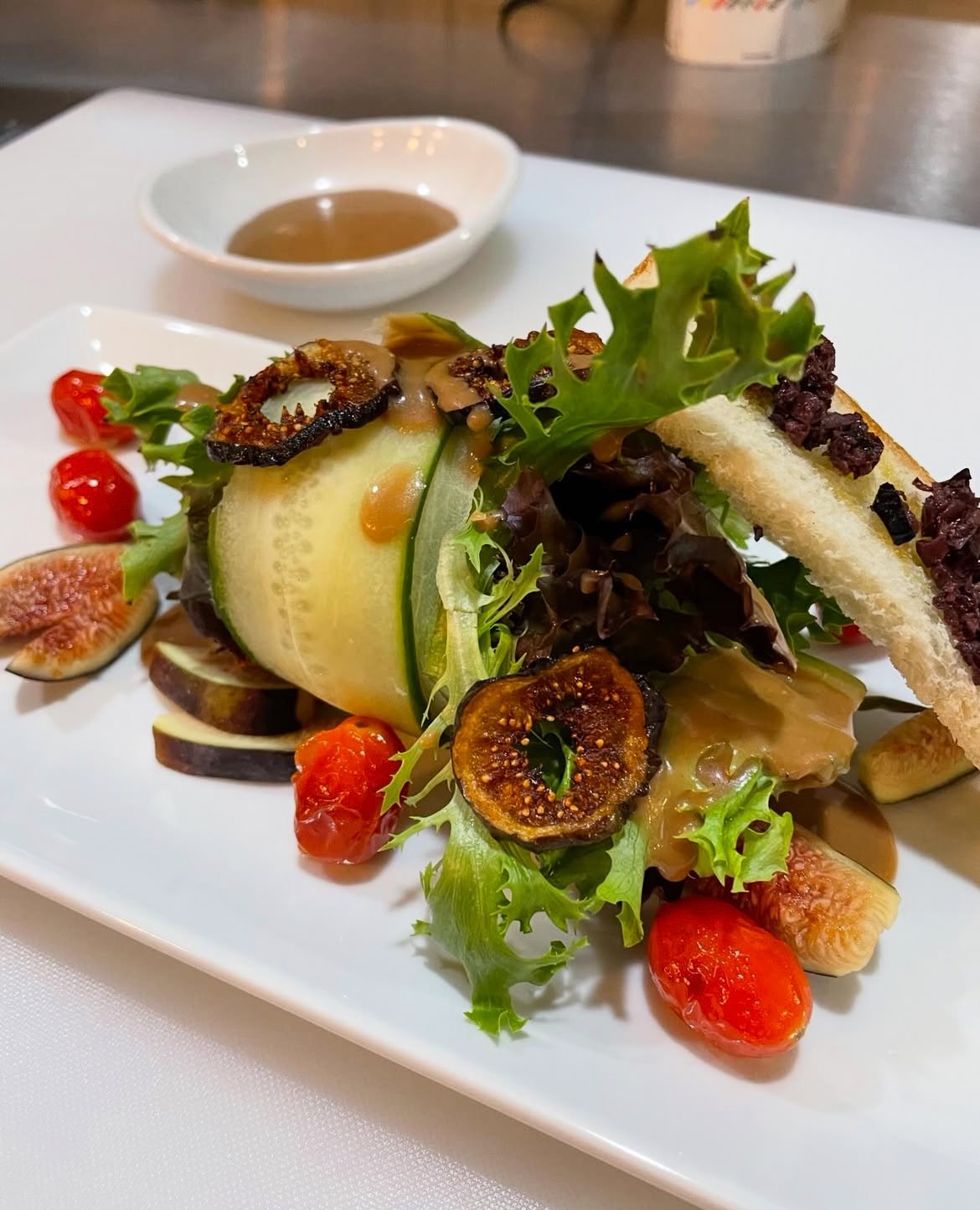
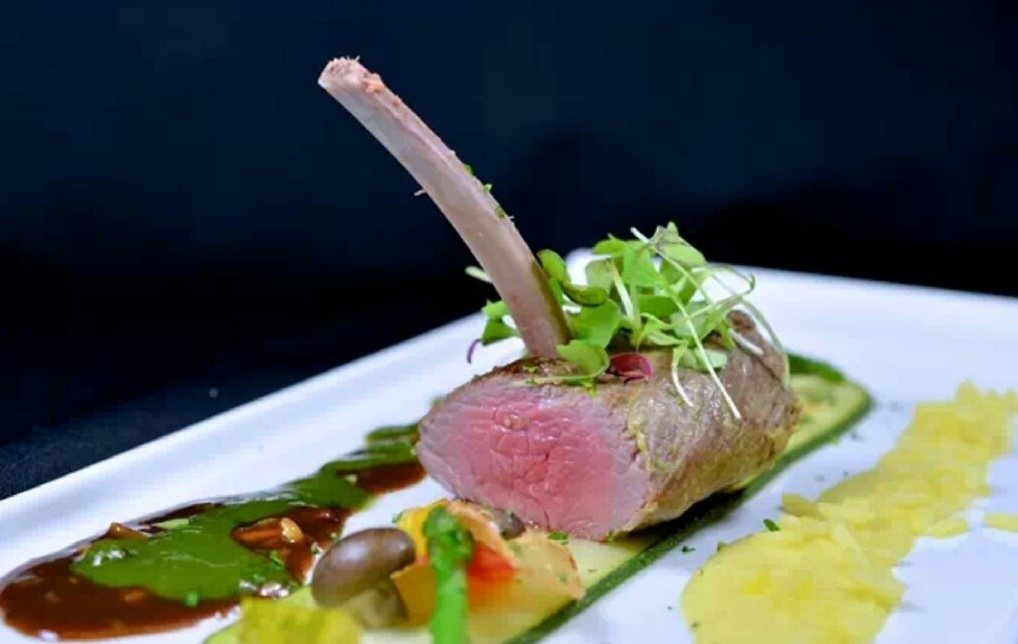
A sample of the kind of development he is brought in to do.
- Full menu rewrite, 24 dishes
- Food cost down 6 points in the first quarter
- Seasonal tasting menu program
- Quarterly changeovers with staff training
- Pool, lobby and in-room dining menus
- One prep system across three outlets
- Concept through first service
- Menu, kitchen layout and opening team
Questions he gets asked
Do you only work with new restaurants?
No. Much of the work is existing operations that need a menu refresh, better margins or a kitchen that runs cleaner.
Can you work remotely?
Menu development and costing can be done remotely. Kitchen workflow and training work best on site.
How long does a menu overhaul take?
Typically four to eight weeks from walkthrough to a trained, documented menu, depending on scope.
Will you work with our existing chef?
Yes, and it usually works best that way. The aim is to make the team stronger, not replace it.
How are fees structured?
Flat project fees, scoped in writing before work begins. Retainers are available for ongoing programs.
Your menu should work as hard as you do
Tell him about the operation and what is not working. He will tell you honestly whether he can fix it.
Start a conversation